A Deep Dive into Transistor Radio Technology
In today’s world, where music and other audio content are readily accessible through various devices, it’s easy to take portable sound for granted. But have you ever wondered about the origins of this revolution in sound technology? Enters transistor radios. In this blog post, we will take a deep dive into the fascinating evolution of portable sound and explore the pivotal role played by transistor radio technology.
The Rise of Portable Radios
Before the transistor radio came into existence, radios were bulky, immobile devices that required an external power source. The advent of portable radios brought the joy of listening to music, news, and other broadcasts on the go. Initially, these portable models were powered by vacuum tubes, making them larger and demanding heavy batteries.
The Transistor Revolution
In the early 1950s, three scientists at Bell Laboratories – John Bardeen, Walter Brattain, and William Shockley – developed the transistor. This small, solid-state device replaced the bulky vacuum tubes used in radios with a much smaller and more efficient component. The transistor revolutionized the electronics industry, including the world of portable sound.
Birth of the Transistor Radio
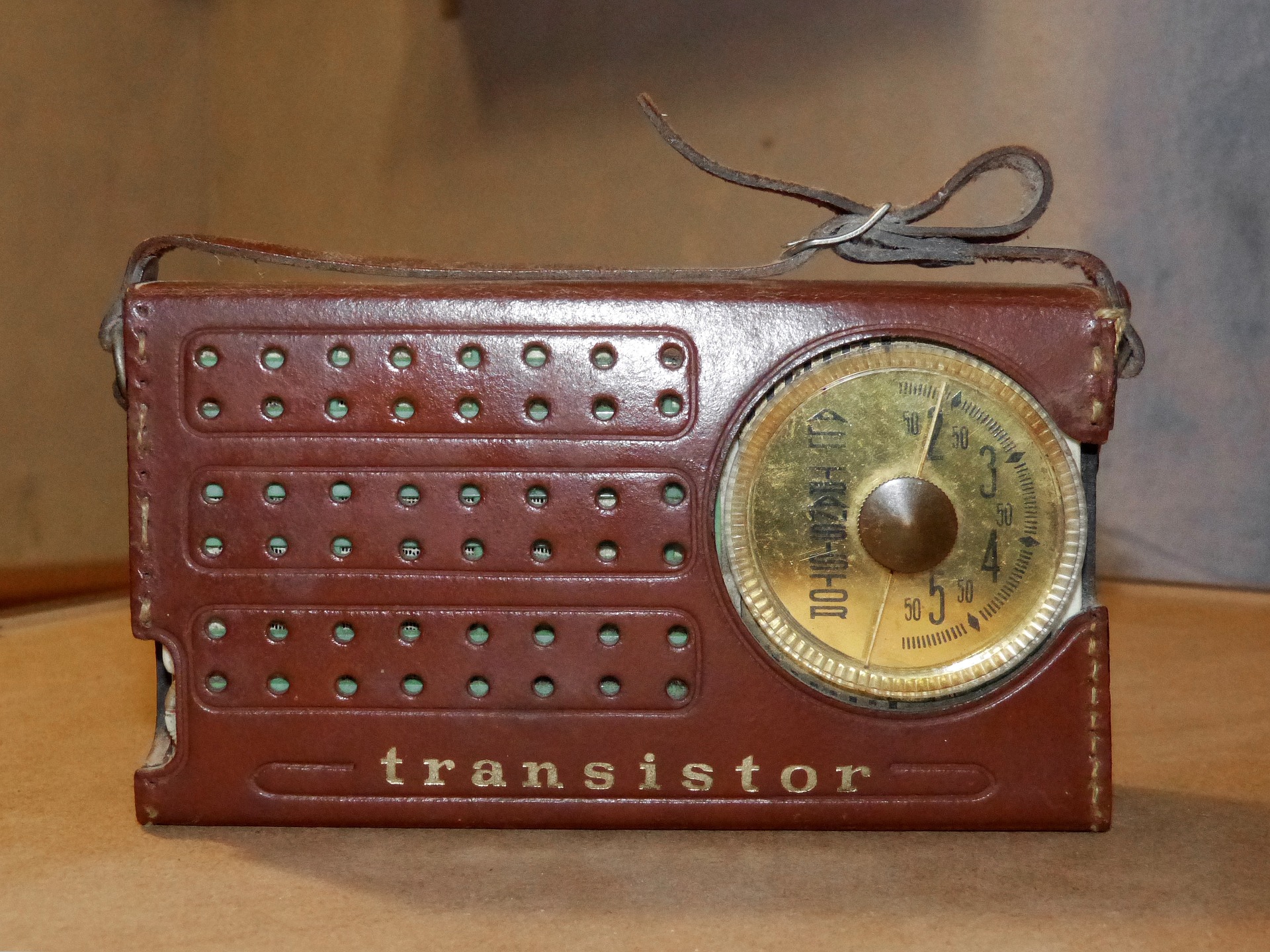
In 1954, Texas Instruments introduced the Regency TR-1, the world’s first commercially produced transistor radio. This lightweight and portable device was an instant hit, marking the beginning of a new era in audio technology. With transistors, the size of radios was dramatically reduced, making them pocket-friendly and affordable for the masses.

Advantages of Transistor Radios
Transistor radios offered several advantages over their vacuum tube counterparts. They consumed less power, provided clearer and more reliable reception, and had longer battery life. Moreover, users could carry them easily in their pockets or purses, allowing them to enjoy music and entertainment wherever they went.
Expanding Access to Audio
The introduction of transistor radios expanded access to audio content like never before. People could now listen to music, news, and sports while walking, traveling, or engaging in various activities. The transistor radio became a symbol of mobility, freedom, and personal expression.
Cultural Impact
The transistor radio quickly became an iconic device, influencing not just the way people consumed media but also shaping popular culture. It played a significant role during historical events such as the Civil Rights Movement, where it helped spread messages and fostered a sense of unity among listeners.
Technological Advancements
Over time, advancements in transistor technology led to smaller, more efficient radios with improved sound quality. Features like FM reception, preset stations, cassette players, and, eventually, digital tuning further enhanced the user experience. These innovations paved the way for future developments in portable sound technology.
Legacy and Influence
While smartphones and other modern devices have taken center stage in the portable sound arena today, the transistor radio’s legacy lives on. Its impact on the evolution of audio technology cannot be overstated, as it revolutionized the way we consume and share music, news, and entertainment.
Conclusion
The evolution of portable sound owes its success to the remarkable advancements in transistor radio technology. From the advent of portable radios to the birth of transistors and the subsequent popularity of compact transistor radios, this technological progress shaped our relationship with sound. The significance of the transistor radio reaches far beyond a mere device; it represents a transformative moment in human history that brought the joy of portable sound to the masses.…

 One of the most important ways that technology has changed healthcare is by making it possible for doctors to monitor patient’s health from a distance. With remote patient monitoring (RPM) systems, doctors can remotely collect and track their patients’ health data. This data can then be used to make decisions about treatment and care.
 Finally, artificial intelligence (AI) has made it possible to learn more about diseases and develop new treatments. AI can analyze large data sets to identify patterns and trends. This information can then be used to create new treatments for diseases. AI is also being used to develop personalized medicine tailored to the individual patient’s genetic makeup.
 The technology behind the medical alert devices for seniors is simple, but it works by sending a signal to help get help when an older person needs it most. The device consists of two parts – the pendant and the base unit. When you press your button or keychain on your life alert device, it sends out an SOS signal that will notify the monitoring center that you need help. Soon, they will dispatch emergency services to your location.
 One of the essential features offered with life alert devices is automatic fall detection. This technology uses sensors to detect when a person has fallen, and it will then automatically send out an SOS signal.

 Without the right information, one cannot determine the areas they need to change to navigate their career on the right path. Social media and online platforms help artists, creators, performers, and distributors learn new marketing methods and promote their projects.


